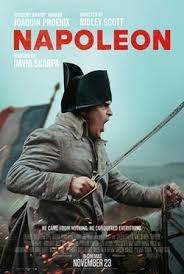
The screenplay for Napoleon, penned by David Scarpa, is a fascinating study in how to condense a monumental historical figure into a focused, visceral narrative. Rather than a dry chronological history, the script operates as a psychological portrait of a man who conquered empires but couldn’t conquer his own heart. For anyone currently seeking scriptwriting help, it is an excellent example of how to use a specific central relationship to anchor a sprawling, epic story.
What makes the script so distinct is its “thematic spine” of codependency. Scarpa frames Napoleon’s entire military career through the lens of his volatile marriage to Josephine, suggesting that his hunger for power was inextricably linked to his need for her approval. If you’ve been looking for a script consultant, you know that the most effective historical dramas are those that find a private, human motivation behind public, world-altering events. In this draft, the battlefield maneuvers are often reflections of Napoleon’s internal insecurity.
Pacing a story that covers decades and multiple wars is a massive structural challenge. Many writers find themselves needing a screenplay consultant to ensure the narrative doesn’t feel like a disconnected series of “greatest hits” battles. The script navigates this by using the correspondence between Napoleon and Josephine as a narrative bridge, keeping the emotional stakes consistent even as the geography shifts. If you’ve been searching for help with my screenplay, analyzing how this draft maintains focus amidst such a massive scale is an essential lesson in thematic consistency.
When you are writing about a figure as famous as Napoleon, it’s easy to let the “myth” overshadow the character’s humanity. This is where a fresh perspective is vital to ensure the protagonist remains relatable and flawed rather than becoming a distant icon. If you feel like your historical draft is becoming too cold or formal, a bit of focused script help can help you find the humor, the pettiness, and the vulnerability that make a historical figure feel like a living person.
Ultimately, the Napoleon screenplay succeeds because it treats its subject as a man of contradictions. Whether you are building a period epic or a modern character study, the goal is to show the person behind the legend. If you’ve been looking for help with your script, remember that the most epic stories are often, at their core, very small and intimate.
To find out more read the screenplay here
What do you think the screenplay of Napoleon gets right — or wrong? Drop your thoughts in the comments below. And if you’re working on a TV script and want sharp, honest feedback on what’s on the page (and what isn’t yet), take a look at my script consulting services here.