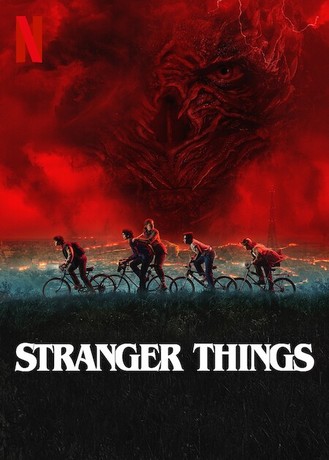
When Stranger Things premiered on Netflix in 2016, it quickly distinguished itself as both a loving homage to 1980s genre cinema and a rigorously constructed piece of television storytelling. Created by the Duffer Brothers, the series blends science fiction, horror, and coming-of-age drama within the familiar framework of small-town America. But beyond its cultural references and surface nostalgia, Stranger Things succeeds because of the precision and confidence of its pilot script — a textbook example of how to launch a high-concept series while grounding it in character, tone, and emotional stakes.
When Stranger Things dropped ten years ago, it was easy to talk about nostalgia. What’s more useful, especially for writers, is how precise the pilot is. “The Vanishing of Will Byers” is a clear example of how to launch a high-concept show without drowning the audience in explanation.
The cold open doesn’t explain the world — it establishes tone. A scientist runs, panics, and disappears. We don’t know what’s chasing him, and we’re not meant to. That restraint matters. The script trusts tension over information. The immediate contrast with the boys’ Dungeons & Dragons game then tells us exactly what kind of show this is: childhood warmth pressed up against genuine danger.
Character is the pilot’s real engine. The boys are defined through behaviour, not backstory, and within minutes the group dynamic is clear. Just as important, the script invests in Will before he goes missing. He’s not an idea or a device — he’s a person. That’s why his disappearance creates emotional pull rather than just narrative momentum.
The episode carries multiple storylines — kids searching, Joyce refusing to let go, Hopper investigating, Eleven emerging — but they all orbit the same thematic question: how do people respond when reality breaks? Each character answers that question differently, which keeps the structure clean even as the plot expands.
What the pilot doesn’t do is over-explain. The mythology is held back. The Upside Down is suggested, not defined. Eleven is introduced as a mystery, not a solution. For emerging writers, this is the key lesson: emotional clarity comes before world-building.
The ending doesn’t solve anything — it sharpens the problem. Will may be gone, but he isn’t gone. The body is fake. Joyce is right. The story escalates instead of closing.
The pilot of Stranger Things works because it’s controlled, character-first, and confident enough to withhold answers. It’s a strong reminder that compelling television doesn’t start with lore — it starts with people, pressure, and the promise that something is wrong.
What do you think the Stranger Things pilot gets right — or wrong? Drop your thoughts in the comments below. And if you’re working on a TV script and want sharp, honest feedback on what’s on the page (and what isn’t yet), take a look at my script consulting services here.