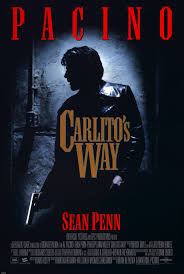
The screenplay for Carlito’s Way, written by David Koepp, is a definitive study in the “tragedy of the second chance.” It takes the classic tropes of the crime genre and infuses them with a weary, romantic fatalism that feels incredibly fresh even decades later. For anyone currently seeking scriptwriting help, it serves as a masterclass in establishing a protagonist who is trying to outrun his own shadow while the world around him demands he stay in the dark.
What makes the script so enduring is the “thematic spine” of inevitable gravity. Carlito Brigante isn’t looking for a bigger empire; he’s looking for a way out, and the script meticulously builds the walls of his past around him until there is no room left to breathe. If you’ve been looking for a script consultant, you know that the most effective noir stories are those where the hero’s virtues—like loyalty and honor—are the very things that lead to his downfall.
Structuring a narrative around a “ticking clock” that the protagonist doesn’t fully realize is ticking requires immense skill. Many writers find themselves needing a screenplay consultant when trying to manage a plot where the hero is passive or reactionary. The script handles this by making Carlito’s desire for a peaceful life the active engine of the story, even as the secondary characters like Kleinfeld drag him back into the chaos. If you’ve been searching for help with your screenplay, analyzing how Koepp uses voiceover not just for exposition, but to establish a sense of tragic hindsight, is an excellent lesson in perspective.
When you’re writing a crime drama, it’s easy to focus on the action and lose the character’s internal life. This is where a fresh perspective is vital to ensure the audience is rooting for the man, not just the spectacle of the shootout. If you feel like your draft is leaning too heavily on genre clichés, a bit of focused script help can help you find those specific, human details—like the dream of a car rental business in the Bahamas—that give the violence real consequence.
Ultimately, the Carlito’s Way screenplay succeeds because it understands that some debts can never be paid in full. Whether you are writing a gritty urban thriller or a sweeping character study, the goal is to make the ending feel both surprising and unavoidable. If you’ve reached a stage where you think you need script help, remember that the most powerful stories are often those that show us a man trying his absolute best to change, only to be reminded that the world has a very long memory.
To find out more read the screenplay here
What do you think the screenplay of Carlito’s Way gets right — or wrong? Drop your thoughts in the comments below. And if you’re working on a TV script and want sharp, honest feedback on what’s on the page (and what isn’t yet), take a look at my script consulting services here.