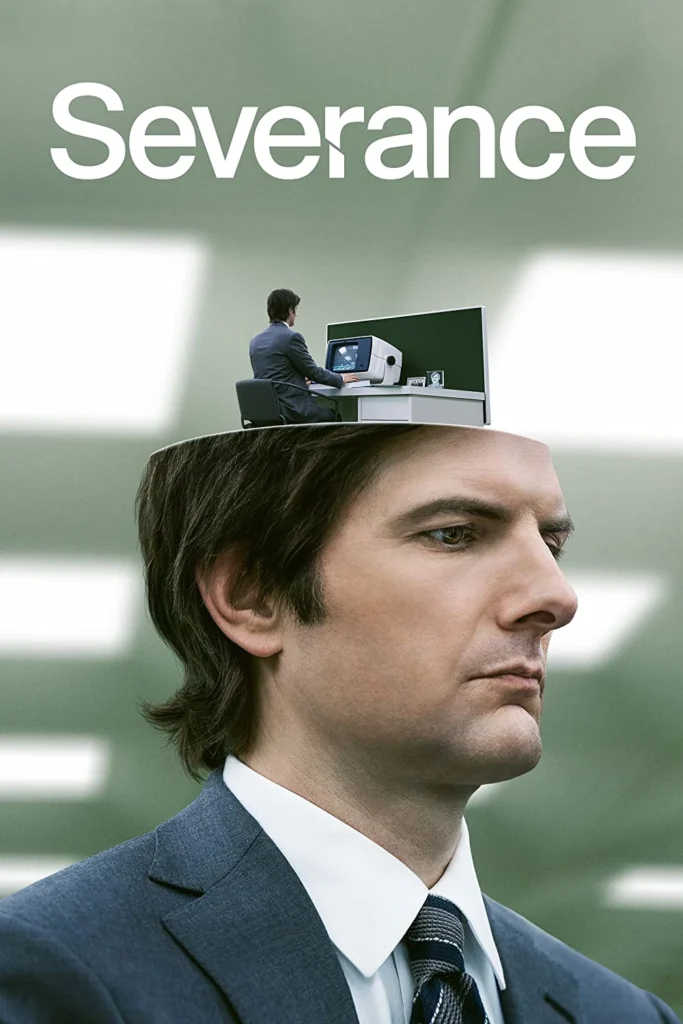
The pilot of Severance, “Good News about Hell,” immediately grips the audience by posing a terrifying philosophical question: What if you could surgically divide your work life from your personal life? This episode is a clinical study in world-building, using sterile environments and eerie silence to create a sense of mounting dread. If you are seeking scriptwriting help to establish a high-concept sci-fi premise, Severance shows how to use a single, jarring visual—a woman waking up on a boardroom table—to define an entire series.
The script’s brilliance lies in its “Innie” vs. “Outie” duality, which serves as a perfect vehicle for exploring character conflict. For writers examining how a protagonist’s environment can reflect their mental state, this episode offers a masterclass in story structure. By the time Mark leaves the Lumon building, the audience isn’t just curious about the mystery; they are emotionally invested in his literal fragmentation.
Mastering a slow-burn thriller requires a careful release of information that rewards the viewer without giving away the game too early. This level of careful script analysis is evident in how the pilot maintains taut pacing and grounded stakes, even within its most surreal settings. Analyzing how a complex “what if” becomes a compelling pilot is the best way to move a draft toward a world as haunting and immersive as Kier, PE.
What do you think the Severance pilot gets right — or wrong? Drop your thoughts in the comments below. And if you’re working on a TV script and want sharp, honest feedback on what’s on the page (and what isn’t yet), take a look at my script consulting services here.