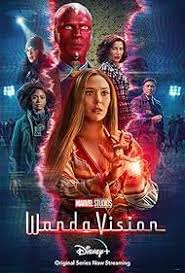
At the centre are Wanda and Vision, whose domestic life appears charmingly conventional at first glance. Yet small disruptions—a line delivery that lingers too long, a moment that doesn’t quite resolve—begin to fracture the illusion. Their dynamic is warm but controlled, suggesting that something deeper is shaping their reality. For writers looking for script help, it’s a strong example of how concept and character can work together to create intrigue from the outset.
Structurally, the episode plays with format. It adheres to the rhythms of a sitcom—setup, misunderstanding, resolution—while subtly undermining them. The dinner scene, in particular, builds tension in an unexpected way, turning a familiar structure into something uncomfortable and revealing. If you’re exploring help with your story structure, this kind of genre manipulation shows how audience expectations can be used as a storytelling tool.
The writing relies heavily on contrast. Light, comedic exchanges sit alongside moments that feel slightly off, creating a sense of unease without overtly signalling it. For those seeking screenplay help, it demonstrates how tone can be layered, allowing multiple interpretations to exist within the same scene.
What the pilot ultimately highlights is the power of control—of information, perspective, and tone. By withholding clear answers, the script draws the audience in and encourages active engagement. For writers wanting to develop more distinctive work, working with a script consultant or seeking targeted script analysis help can help refine how and when to reveal key elements of your story.