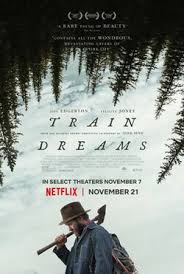
The screenplay adaptation of Denis Johnson’s Train Dreams is a profound study in how to translate internal, poetic prose into a visual, cinematic language. It is a script that leans heavily into the “slow cinema” movement, focusing on the passage of time and the quiet isolation of the American West. For anyone currently seeking scriptwriting help, it’s a beautiful example of how to let silence and landscape do the heavy lifting in a narrative.
What makes the script so haunting is its commitment to the “monomyth of the ordinary man.” Robert Grainier isn’t a typical hero; he is a witness to the changing world. If you’ve been looking for a script consultant, you know that the biggest challenge with minimalist stories is maintaining momentum without a traditional “ticking clock.” In Train Dreams, the tension is found in the inevitable march of progress and the ghosts left behind in its wake.
Capturing a character’s internal life through external action is a skill that takes immense discipline. Many writers find themselves needing a screenplay consultant when trying to adapt “unfilmable” novellas, as it’s easy to rely too heavily on voiceover or exposition. The Train Dreams script avoids this by focusing on tactile, sensory details—the sound of the tracks, the smell of the forest, and the physical toll of manual labor. If you’ve been searching for help with my screenplay, analyzing how this draft uses environment to reflect Grainier’s grief is an excellent lesson in atmospheric writing.
When working on a period piece, it’s easy to get bogged down in historical accuracy at the expense of emotional truth. This is where a fresh perspective becomes vital to ensure the story feels immediate and relevant to a modern audience. If you feel like your draft is becoming too academic or distant, a bit of focused script help can help you find the “human heartbeat” within the history.
Ultimately, the Train Dreams screenplay succeeds because it respects the audience’s patience. Whether you are writing a sweeping epic or an intimate character study, the goal is to create a world that feels lived-in and authentic. If you’ve been looking for help with my script, remember that some of the most powerful stories aren’t told through what is said, but through what is left echoing in the silence.
To find out more read the screenplay here
What do you think the screenplay of Train Dreams gets right — or wrong? Drop your thoughts in the comments below. And if you’re working on a TV script and want sharp, honest feedback on what’s on the page (and what isn’t yet), take a look at my script consulting services here.