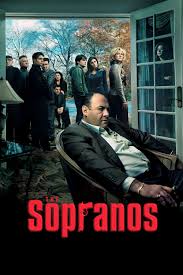
Every great drama has a question at its centre. The Sopranos states its question in the pilot’s first therapy session, with a directness that is almost shocking in retrospect: can a man who has chosen a life of violence be capable of genuine feeling? And if he is — if Tony Soprano weeps at the departure of ducks from his swimming pool, if he is capable of tenderness towards his daughter, if his panic attacks are real and his grief is real — what does that cost the people around him, and what does it cost us to care about him? David Chase plants that question in the pilot and never fully answers it. The not-answering is the show. It is also, for any writer thinking seriously about long-form dramatic writing, one of the most instructive creative decisions in television history.
The pilot’s structural genius is the therapy frame. By placing Tony on Dr Melfi’s couch from the very first scene, Chase solves several problems simultaneously. He gives the show an engine for interiority — a legitimate, recurring space in which a man who would never otherwise examine himself is required to do exactly that. He establishes the central dramatic irony: Tony is more honest in this room than anywhere else in his life, and yet what he reveals there only deepens the question of whether honesty, for a man like this, means anything at all. And he signals, from the pilot’s opening minutes, that this will be a show interested in psychology as much as plot. For writers seeking story structure help with character-driven drama, the therapy conceit is worth studying not as a device but as an architectural decision — it determines the shape of every season that follows.
The pilot also demonstrates exceptional command of tonal layering. The New Jersey suburbia of the Soprano household — the SUVs, the school runs, the arguments about the pool — sits in permanent, uncomfortable proximity to the violence of Tony’s professional life. Chase never separates these registers with a cut or a score change; they bleed into each other, because that is how Tony experiences them, and because the show’s argument is that they are not actually separate. That integration of domestic and criminal worlds, each one contaminating the other, is a screenwriting achievement that rewards close script analysis: it is doing thematic work, moral work, and tonal work in every single scene, often without the audience consciously registering it.
If you are developing a drama with a morally complex protagonist — a character whose capacity for feeling is precisely what makes them dangerous — and want detailed screenplay feedback and story structure support from an experienced script consultant, I’d love to read your work. This is exactly the territory I find most interesting, and most worth getting right.
To find out more read the pilot script here