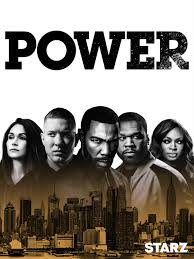
The premise of Power is, on its surface, familiar: a man living a double life, one foot in the legitimate world, one in the criminal. What Courtney Kemp’s pilot does with that premise is anything but routine. Where lesser crime dramas treat the double life as a source of external jeopardy — will he be found out? — Power locates its tension in the interior. James St. Patrick doesn’t merely maintain two identities; he is genuinely, irreconcilably divided between them. Ghost — the drug kingpin — and James — the nightclub owner with legitimate ambitions — are not mask and face. They are two equally real versions of the same man, and the pilot’s central dramatic question is not which one will survive, but whether the person underneath either of them exists at all.
The structural efficiency of the pilot is considerable. Kemp establishes both worlds with equal weight and equal texture — the club, Truth, rendered as a genuine achievement and a source of real pride; the drug operation rendered with procedural specificity and genuine menace — so that neither can be dismissed as mere backdrop to the other. That balance is the pilot’s most important craft decision. If the legitimate world feels thin, James’s desire to leave the drug game reads as obvious wish-fulfilment; if the criminal world feels glamorised, the show loses the moral seriousness that distinguishes it from straightforward genre fare. Holding both in genuine tension from the first episode is exactly the kind of structural problem that benefits from rigorous script development support — it is the kind of balance that is easy to describe and hard to execute on the page.
The pilot also introduces the love triangle between James, his wife Tasha, and his first love Angela with notable economy. Each relationship is differentiated not just emotionally but structurally: Tasha belongs to Ghost’s world; Angela belongs to the world James wants. The women are not simply romantic interests — they are the human embodiment of the choice the whole series is built around. That use of relationship as structural argument, rather than merely emotional content, is a mark of disciplined dramatic writing, and it is established with impressive clarity in the pilot before the series has properly begun. For any writer looking for help with their screenplay who is developing a crime drama or any story built around a protagonist with competing loyalties, the pilot is a precise and instructive model.
If your script is built around a divided protagonist — a character whose internal conflict is externalised across two genuinely distinct worlds — I offer script consultancy, detailed script notes, and screenplay analysis that can help you evaluate whether both worlds are pulling their dramatic weight.
To find out more read the pilot script here