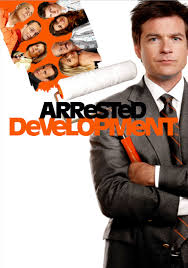
Arrested Development opens with a rapid-fire, almost chaotic energy, introducing a dysfunctional family whose privilege has long insulated them from consequence—until it suddenly doesn’t. The pilot wastes no time dismantling that illusion, using both narration and structure to guide the audience through the fallout.
At the centre is Michael Bluth, positioned as the reluctant straight man within an otherwise absurd family. His attempts to impose order—particularly in contrast to characters like Gob, Lindsay, and Lucille—create the episode’s core tension. Each family member is defined through exaggerated but specific behaviour, making them instantly recognisable. For writers seeking script help, it’s a strong example of how heightened characterisation can still feel grounded when rooted in clear dynamics.
Structurally, the pilot is tightly woven despite its apparent looseness. Storylines overlap, callbacks are set up and paid off quickly, and the use of voiceover helps compress exposition without slowing pace. If you’re looking for help with your screenplay, it highlights how structure and editing can work together to create both clarity and comedic momentum.
The writing thrives on density. Jokes are layered, often stacking visual gags, dialogue, and narration within the same moment. Importantly, much of the humour comes from character perspective—what each person believes versus what’s actually happening. For those exploring scriptwriting help, it demonstrates how point of view can be a powerful engine for comedy.
What the pilot ultimately demonstrates is the importance of cohesion beneath complexity. Despite its fast pace and multiple threads, everything is anchored in Michael’s role within the family. For writers wanting to sharpen their work, engaging with a script consultant or seeking targeted script analysis help can help ensure that even the most layered storytelling remains clear, focused, and effective.
To find out more download the pilot script here