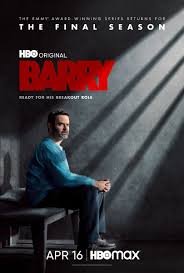
The structural decision that makes the pilot work is deceptively simple: Barry walks into an acting class by accident, and something in him — vestigial, dormant, not yet nameable — responds to it. The class is played completely straight. Gene Cousineau’s teaching is absurd but not mocked; the other students are ridiculous but not contemptible; Barry’s own halting first attempts at presence and feeling are treated with a seriousness the show never entirely withdraws. That refusal to condescend to the acting world is what gives the pilot its moral weight. If the class were merely a joke, Barry’s desire to belong to it would be merely a joke. By taking it seriously, the screenplay makes Barry’s longing serious — and a hitman’s longing for authenticity turns out to be one of the richest dramatic premises in recent television. For writers seeking help with their script who are working in dark comedy or genre-blending territory, the pilot is a precise demonstration of how tonal commitment, rather than tonal consistency, is what holds an audience.
The pilot’s screenplay is also a model of economy. It establishes Barry’s professional world, his psychological flatness, his handler Fuches, the job in Los Angeles, the acting class, and the first stirrings of a genuine alternative — all within thirty minutes, and without any scene feeling rushed or merely functional. Every scene has texture. The exposition lands as character. That economy is one of the hardest things to teach in screenwriting development and one of the easiest things to identify when it’s absent: scenes that exist only to move pieces feel exactly like scenes that exist only to move pieces. The Barry pilot has none of them, and close script analysis of how each scene earns its place is instructive for any writer at any stage.
If your script is working across genres, or if you’re trying to hold a tonal register that doesn’t have an obvious template — comedy that has genuine darkness, drama that has genuine absurdity — my script consultancy can offer the kind of detailed screenplay feedback and story structure support that helps you understand whether the balance is landing. I work with writers across all formats and genres, from first draft to final polish. I’d love to read yours.
To find out more read the pilot script here