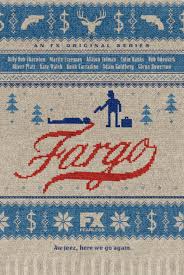
At the centre is Lester Nygaard, a seemingly passive, downtrodden man whose encounter with the enigmatic Lorne Malvo sets the story in motion. Their dynamic is both unsettling and compelling—Malvo’s calm, almost philosophical menace pushing Lester toward choices he might never have made on his own. For writers looking for script help, it’s a striking example of how a single character relationship can ignite an entire narrative.
Structurally, the pilot is deceptively simple. It introduces multiple threads—Lester’s personal life, Malvo’s movements, and the local investigation led by Molly Solverson—yet everything feels tightly controlled. Each storyline feeds into a growing sense of inevitability. If you’re exploring help with your screenplay, this kind of careful interweaving of perspectives is a valuable technique, often refined through thoughtful screenplay consultancy.
The tone is where Fargo truly distinguishes itself. It balances dark humour with moments of genuine brutality, allowing the absurd and the shocking to coexist. Small, specific details—awkward conversations, pauses, seemingly minor decisions—carry enormous weight. For those seeking scriptwriting help, it highlights how tone and pacing can shape audience expectations just as much as plot.
What the pilot ultimately demonstrates is the power of escalation driven by character. Lester’s gradual shift from victim to participant is handled with precision, making each step feel both surprising and inevitable. For writers wanting to sharpen their work, working with a script consultant or engaging in script analysis help can be invaluable in ensuring that every turning point feels earned and dramatically effective.