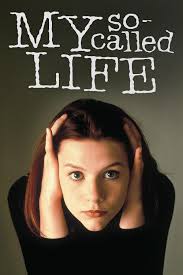
My So-Called Life opens with an immediacy that feels almost confessional, drawing us directly into Angela Chase’s inner world. Through her voiceover, the pilot captures the intensity and uncertainty of adolescence, framing everyday experiences as deeply personal and often overwhelming.
What makes the episode so distinctive is its honesty. Angela’s perspective shapes everything—not just what we see, but how we interpret it. Her shifting relationships, particularly with her parents and her growing fixation on Jordan Catalano, are rendered with a specificity that feels lived-in rather than constructed. For writers looking for script help, it’s a reminder that authenticity of voice can be more compelling than high-concept plotting.
Structurally, the pilot is loose but intentional. Rather than building around a single driving plot, it weaves together moments—school, friendships, family tension—into a cohesive emotional narrative. If you’re exploring help with your story structure, this approach highlights how smaller, character-led beats can accumulate into something meaningful.
The writing leans into naturalism. Conversations feel unpolished, sometimes fragmented, but always true to character. Much of the impact comes from what is implied rather than stated outright. For those seeking screenplay help, it’s a strong example of how tone and rhythm can shape a script just as much as traditional story beats.
What the pilot ultimately demonstrates is the power of perspective. By staying closely aligned with Angela’s point of view, the episode creates a consistent emotional through-line, even as the story itself remains episodic. For writers wanting to develop more grounded, character-focused work, engaging with a script consultant or exploring script analysis help can help bring greater clarity and confidence to your writing voice.
To find out more download the pilot script here