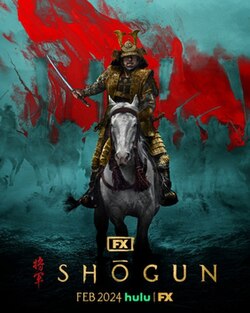
Shōgun opens with a confident and immersive pilot, drawing viewers into a richly detailed world of political tension, cultural conflict, and shifting power dynamics. From its first moments, the episode establishes high stakes while carefully grounding the audience in an unfamiliar setting.
What stands out immediately is the clarity of perspective. While the story introduces multiple key players, the arrival of Blackthorne provides an accessible entry point into the world. His outsider status allows the audience to learn alongside him—an effective device for writers seeking scriptwriting help when handling complex or unfamiliar worlds.
Structurally, the pilot is deliberate and controlled. Rather than rushing, it allows tension to build through conversation, negotiation, and quiet power plays. For those looking for help with your script analysis, it’s a strong example of how pacing and restraint can create intrigue without relying on constant action—something a script consultant can help identify and strengthen in your own work.
The episode also excels in its use of subtext. Much of the drama unfolds beneath the surface, in what characters choose not to say as much as what they do. For writers in need of screenplay help, this layered approach to dialogue and behaviour highlights the importance of nuance.
What the Shōgun pilot ultimately demonstrates is the value of precision in storytelling. Every scene feels intentional, building character, theme, and tension simultaneously. For writers wanting deeper insight from a scriptwriting consultant, studying this kind of disciplined storytelling can be invaluable when refining your own work.
What do you think the pilot of Shogun gets right — or wrong? Drop your thoughts in the comments below. And if you’re working on a TV script and want sharp, honest feedback on what’s on the page (and what isn’t yet), take a look at my script consulting services here.