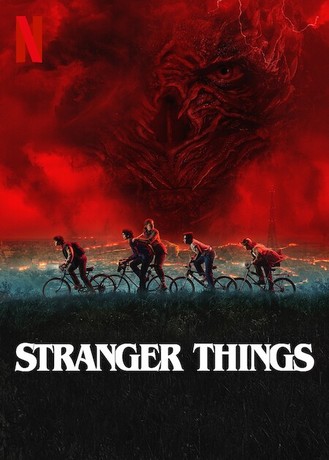
When Stranger Things premiered on Netflix in 2016, it quickly distinguished itself as both a loving homage to 1980s genre cinema and a Powerfully constructed piece of television storytelling. Created by the Duffer Brothers, the series blends science fiction, horror, and coming-of-age drama within the familiar framework of small-town America. But beyond its cultural references and surface nostalgia, Stranger Things succeeds because of the precision and confidence of its pilot script—a textbook example of how to launch a high-concept series while grounding it in character, tone, and emotional stakes.
The effectiveness of the show’s debut is rooted in a level of narrative efficiency that anyone providing script analysis would recognize as essential for long-form television. The Duffer Brothers didn’t just lean on 80s aesthetics; they built a mechanical masterpiece where the disappearance of Will Byers acts as the perfect catalyst for three distinct narrative tiers. For writers looking to replicate this balance, seeking story structure help can reveal how the Duffers managed to introduce a sprawling ensemble without ever losing the central tension. It serves as a reminder that even the most imaginative ideas require a solid internal logic, the kind of foundation that is often refined by seeking help with your screenplay to ensure the pacing and clarity are airtight.
If you find yourself at the crossroads of world-building and character development, an external perspective is often the best way to ensure your stakes feel real. Much like the pilot of Stranger Things, a great story needs more than a hook; it needs a structural foundation that allows the audience to care about the people in the path of the monster. Ultimately, the show’s legacy proves that while nostalgia captures the eye, it is the mastery of the craft that captures the heart—and why it is so vital to get professional help with your script.
To find out more download the pilot script here
What do you think the pilot of Stranger Things gets right — or wrong? Drop your thoughts in the comments below. And if you’re working on a TV script and want sharp, honest feedback on what’s on the page (and what isn’t yet), take a look at my script consulting services here.