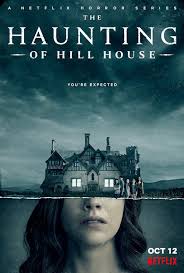
Most horror establishes its threat early and builds toward confrontation. The Haunting of Hill House pilot does something more unsettling: it buries its threat inside memory itself. From its opening frames, the show operates across two timelines — childhood and adulthood — and the horror inheres not in what jumps out at you but in the slow, dreadful recognition that the past and present are not as separate as the Crain siblings need them to be. That structural decision is the show’s most significant creative achievement, and it begins in the pilot’s very first scene.
Mike Flanagan’s screenplay handles non-linear structure with unusual confidence. The two timelines don’t simply alternate — they rhyme, echo, and contaminate each other. A gesture made by a child reappears in an adult; a room glimpsed in the past becomes a space of dread in the present. This is non-linear storytelling used not as a narrative device but as an emotional one: the structure itself enacts the show’s central theme, that trauma does not stay in the past. For writers seeking story structure help, this is the distinction worth internalising — form should express meaning, not merely organise it.
The pilot also demonstrates exceptional control over a large ensemble. Five Crain siblings, two timelines, one house: the risk of confusion is considerable. Flanagan manages it through rigorous clarity of individual voice — each character differentiated not just by personality but by their specific, private relationship to what happened at Hill House. That precision is what makes the structural complexity navigable, and it’s the kind of thing that benefits enormously from a fresh pair of eyes during script development. Good script analysis often catches the moments where ambition and clarity pull against each other before they become problems.
If you’re working on something structurally ambitious — a non-linear screenplay, a multi-strand narrative, a story where form and theme need to speak to each other — a screenplay consultant or script consultancy with experience in complex narrative work can make a genuine difference. Whether you need help with your screenplay at outline stage or are deep into a draft, I’d love to hear about your project.
To find out more download the pilot script here