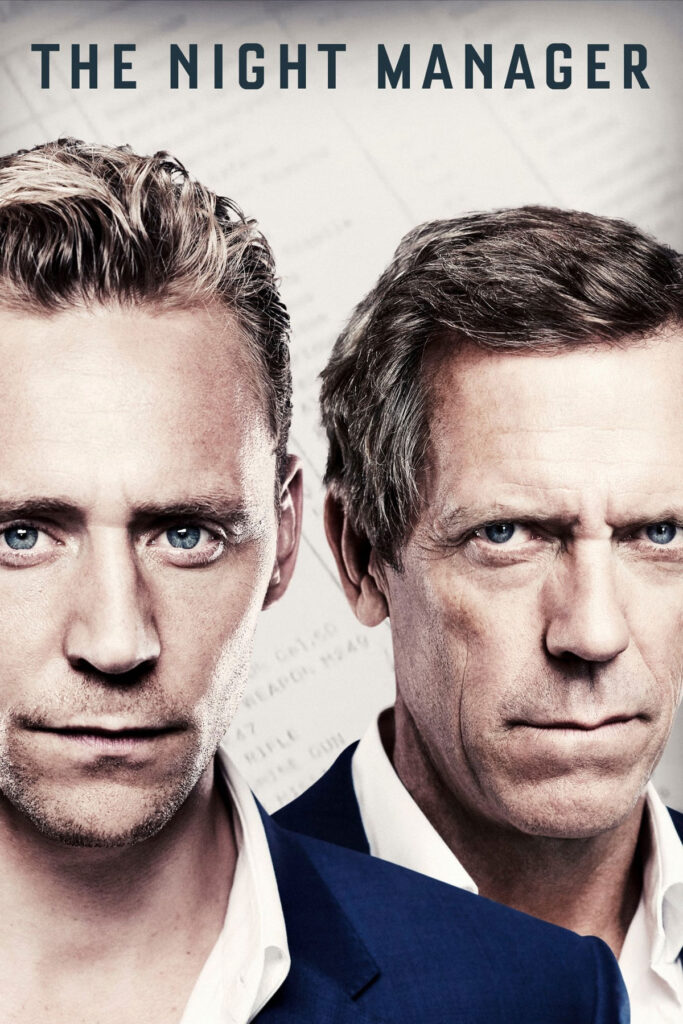
The pilot episode of The Night Manager is a masterclass in tension, making it an ideal case study for anyone looking for scriptwriting help. Instead of a loud opening, the show uses the quiet, simmering atmosphere of the Arab Spring to introduce Jonathan Pine through his actions rather than his words—a “show, don’t tell” approach that any scriptwriting consultant would recommend for those first ten pages.
The structural beauty of the episode lies in how it turns a chance encounter with Sophie Alekan into a global conspiracy. For writers looking for story structure help, it’s a brilliant example of how to create a “point of no return” for a protagonist.
One of the best takeaways from a script analysis perspective is the use of the “shadow antagonist.” We don’t actually see Richard Roper for much of the pilot, yet his presence is felt in every room. It’s a great reminder that you don’t need constant exposition to establish a threat; you just need atmospheric pressure. If your own villain feels a bit flat, a might suggest this more subtle, “less is more” approach.
Ultimately, the dialogue is incredibly lean, with every word serving as either a weapon or a shield. If your own scenes feel a bit wordy, seeking help from a script consultant can help you find that same economy of language. For anyone currently stuck on a first episode and looking for screenplay help, The Night Manager proves that a pilot’s real job is to make the audience feel the world has irrevocably changed. A fresh set of eyes from a script consultant can help ensure your own opening carries that same professional weight.
To find out more download the pilot script here
What do you think The Night Manager pilot gets right — or wrong? Drop your thoughts in the comments below. And if you’re working on a TV script and want sharp, honest feedback on what’s on the page (and what isn’t yet), take a look at my script consulting services here.