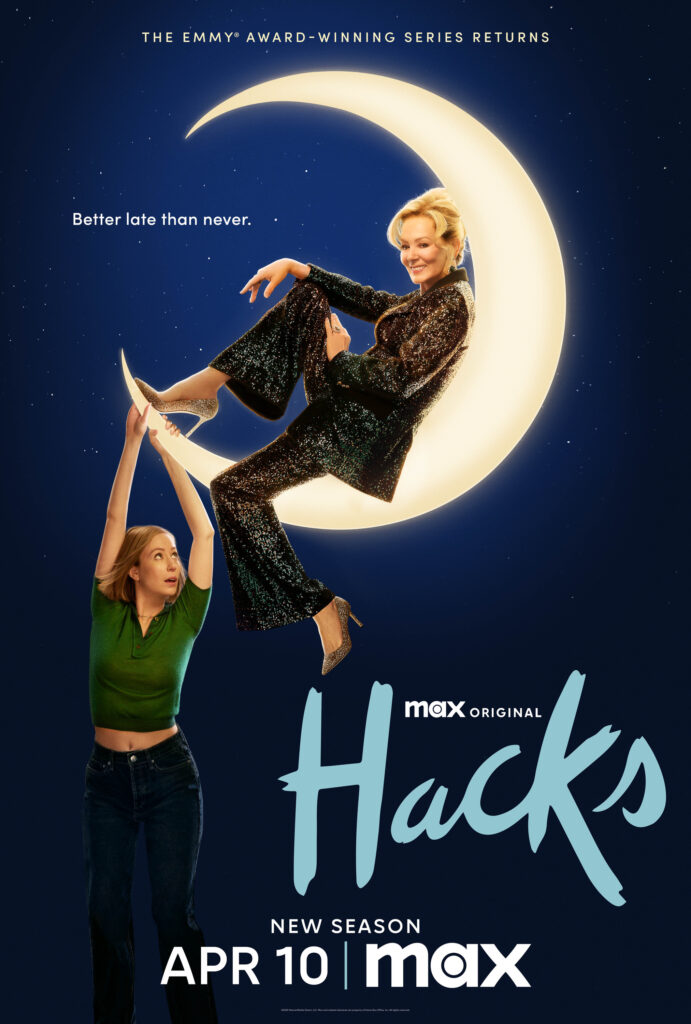
Hacks opens with a sharp, character-driven pilot that balances comedy with emotional insight. Rather than relying purely on jokes, the episode builds its story around the uneasy, compelling dynamic between Deborah Vance and Ava—two writers at very different stages of their careers.
What makes the pilot particularly effective is its focus on contrast. Deborah’s established, guarded persona clashes with Ava’s raw, unfiltered voice, and that friction becomes the engine of the story. For writers in search of screenplay help, it’s a strong example of how conflict between characters—rather than plot alone—can sustain momentum across a pilot.
Structurally, the episode is clean and efficient. It introduces two protagonists, establishes their individual stakes, and then brings them together in a way that promises ongoing tension. If you’re looking for help with your script, this kind of clarity in setup is crucial.
Dialogue is, unsurprisingly, central to Hacks, but what stands out is how much character is revealed through rhythm and tone. Jokes land not just because they’re funny, but because they’re specific to who is delivering them. For those seeking scriptwriting help, this highlights the importance of voice.
What the pilot ultimately captures is the evolution of perspective—how two very different voices begin to influence each other. It’s a reminder that strong pilots don’t just introduce characters; they set up transformation. For writers wanting more targeted script analysis help, studying this kind of character interplay can be invaluable when shaping long-form storytelling.
What do you think the pilot of Hacks gets right — or wrong? Drop your thoughts in the comments below. And if you’re working on a TV script and want sharp, honest feedback on what’s on the page (and what isn’t yet), take a look at my script consulting services here.