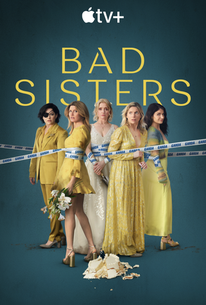
What’s particularly striking is the ensemble dynamic. Each sister is distinct, yet their shared history and loyalty bind them together in a way that feels authentic and emotionally grounded. It’s a strong example of how to introduce multiple protagonists without losing clarity—something a script consultant can help refine when balancing competing perspectives.
The structure of the pilot leans into dual timelines, gradually revealing information while maintaining suspense. This careful withholding of detail keeps the audience engaged, inviting them to piece together the story. If you’re exploring help with your screenplay, this kind of controlled information release is a valuable technique.
Tone is where Bad Sisters truly stands out. It walks a fine line between humour and menace, ensuring that neither undercuts the other. This demonstrates how consistency of tone can elevate a concept, particularly when blending genres.
What the pilot ultimately delivers is a strong sense of narrative control. Every scene adds a layer—whether to character, mystery, or theme—without feeling excessive. For writers wanting to sharpen their work, studying this kind of measured storytelling can be invaluable when refining both pacing and impact.
What do you think the pilot of Bad Sisters gets right — or wrong? Drop your thoughts in the comments below. And if you’re working on a TV script and want sharp, honest feedback on what’s on the page (and what isn’t yet), take a look at my script consulting services here.