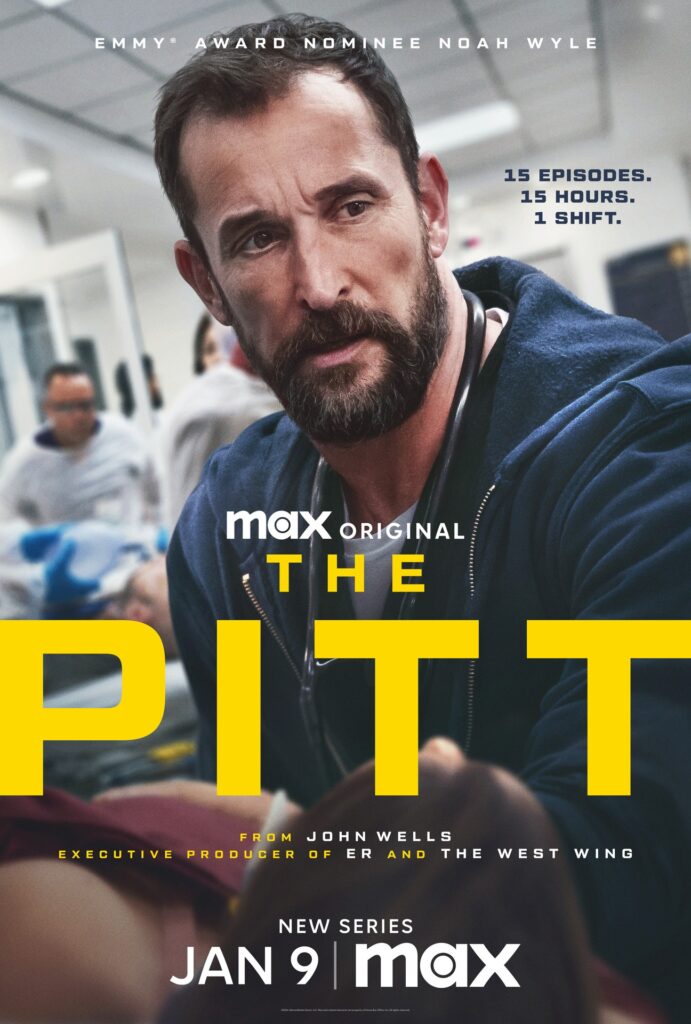
The Pitt opens with urgency and focus, dropping the audience straight into the high-pressure environment of a hospital emergency department. From the first scenes, the pilot establishes a world defined by speed, responsibility, and the constant negotiation between professional duty and human emotion.
What stands out immediately is how clearly the script defines its key players through action. Dr. Robby—calm, experienced, but visibly stretched—anchors the chaos, making rapid decisions that carry real consequence. In contrast, Dr. Santos, still early in her career, brings a sense of uncertainty and urgency that creates immediate tension, particularly in high-stakes moments where hesitation matters. Meanwhile, Nurse Dana is portrayed as both efficient and emotionally attuned, often acting as the bridge between patients and doctors, grounding the team when pressure peaks. For writers seeking scriptwriting help, it’s a strong example of how distinct roles and perspectives can quickly establish character without heavy exposition.
Structurally, the pilot leans into momentum. Multiple patient cases unfold simultaneously, intersecting with personal stakes and ethical dilemmas. A critical case forces Dr. Robby into an impossible decision, while quieter moments—particularly involving Dr. Santos—hint at the emotional toll the job is beginning to take. If you’re looking for help with your screenplay, it’s a useful case study in managing parallel storylines while ensuring each one contributes to the overall tension.
The writing also makes effective use of restraint. Emotional beats are often conveyed through behaviour rather than explicit explanation—a moment of doubt before a procedure, or a brief exchange that reveals more than it states outright. For those in need of script help, it highlights how small, specific details can carry significant dramatic weight when placed in the right context.
What the pilot ultimately demonstrates is the importance of narrative discipline. Every scene serves a clear function, whether advancing character, escalating stakes, or reinforcing theme. For writers looking to strengthen their work, engaging with a script consultant or exploring more focused script analysis help can help bring that same level of clarity and cohesion to the page.
What do you think the pilot of The Pitt gets right — or wrong? Drop your thoughts in the comments below. And if you’re working on a TV script and want sharp, honest feedback on what’s on the page (and what isn’t yet), take a look at my script consulting services here.