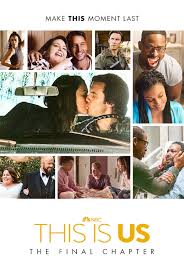
There are pilots that ease you in, and there are pilots that ambush you. The This Is Us pilot, written by Dan Fogelman, belongs emphatically to the second category — but what makes it worth studying is not the twist itself, which lands in the final minutes, but the extraordinary craft with which the preceding forty-five minutes are constructed to make it inevitable. This is a screenplay that knows exactly where it is going and reverse-engineers every scene accordingly. The result is one of the most precisely engineered emotional experiences in recent network television.
The premise appears, for most of the pilot, to be a loose anthology: four separate stories, connected thematically by the fact that their protagonists all share a birthday. Jack and Rebecca are expecting triplets in 1980; Kevin is a sitcom star having a mid-life crisis; Kate is navigating weight and self-worth; Randall is tracking down his biological father. The pleasure of the pilot, on first viewing, is in how deftly the screenplay juggles these strands — each one distinct in tone, each one emotionally alive. What the screenplay is actually doing, of course, is something more deliberate. Every strand is being weighted and positioned so that the reveal recontextualises all of them simultaneously. That’s an exceptional feat of story structure, and one that repays very close script analysis: the pilot has to work twice, as a first viewing and as a rewatch, and Fogelman designs for both.
The emotional generosity of the writing is also worth noting. This Is Us is unabashedly sincere — it wants, straightforwardly, to move you — and in a television landscape that frequently rewards detachment and irony, that’s a bolder choice than it might appear. The screenplay earns its feeling through specificity rather than sentiment: these are particular people in particular circumstances, not types in archetypal situations. For writers seeking help with emotionally driven drama, that discipline — grounding feeling in concrete, specific detail — is the lesson the pilot most clearly teaches.
If you’re developing a multi-strand narrative, wrestling with a structural reveal, or simply want to understand whether your screenplay is doing enough work beneath the surface of its story, a script consultant can provide the kind of rigorous, detailed screenplay analysis that makes the difference between a draft that almost works and one that fully does.
To find out more download the pilot script here